What is your favorite part about raising cattle?

I was recently asked, “What’s your favorite part about raising cattle?” My answer, “The rewards of good stewardship.” In essence, my favorite part has many parts though, because good stewardship has such a wide range. For instance the cattle maintain the land, and I’m rewarded with scenic, rolling pasture. Also, there is the reward of raising cattle with the intent to benefit others in the industry. Just as important, is the reward of providing quality food for my family.

Speaking of family, lets interchange stewardship with parenting. How many of you reading this post are parents who use raising cattle as an avenue to teach your children good stewardship? The reward being responsible individuals with a good work ethic.

Good stewardship brings about quality of life. Healthy cattle will bring a higher dollar amount which in turn rewards me with a fatter vacation fund.

In turn, I ask you. What is your favorite part about raising cattle?
Just an observation.

I read few ranching and farming trade publications. Actually, read might be a little strong of a word. Skim is probably a better description. My interest in their articles is passing because they don’t often apply to our small operation. For the last two months however, I’ve noticed a change in theme. Words like managed grazing, small frame, low input and sustainable are scattered throughout the paragraphs. These words, actually management practices, aren’t new, they just seem to be appearing more often in trade magazines. These practices have worked well for us. We are seven days away from the first day of winter and still have forage for the cattle to graze. Neighbors within a few miles of us started feeding hay in late summer. One very close neighbor has tall, skinny animals trying to gain on two inch high pasture. He’ll grain them before marketing. Perhaps these neighbors read the back issues of the magazines that I mostly disregard. Just an observation.

Don’t burn off pasture land.

My thought today is to follow up on a post from nine months ago. Last February, our pasture and winter supply of hay was burned up by a careless act. I made my best attempt to turn the other cheek and pledged to watch for something good to come from the setback. Well, all I have to offer is good advice. Don’t burn off pasture land. The regrowth has been slow and the grass seems to have thinned out. From a profit angle, the cattle began consuming more mineral when they were turned into the area two weeks ago. I believe that the soil life was driven away causing the forage’s nutritional value to drop. I am closely watching this grazing area as the cattle are moved across it. My plan to rebuild this pasture is to not graze the plants down to the usual height of six to eight inches and at the same time, get even manure distribution. Hopefully next spring will bring better growth, less water runoff and an increase in soil life.

When you stop doing, then you stop doing.

When you stop doing, then you stop doing. These are just a few of Grandma Clem’s words that I took to heart. I mulled them over today as I trekked back to the cattle to move them to a new grazing lot. My coat and boots were heavy, as was the reel of poly wire in my hand. Inclement weather is upon us here in Missouri and I’m not keen on doing chores in a biting wind. Hence, I thought about Grandma Clem and the inspiration of her words. I thought about my strong legs that take me to my work and my strong arms that perform the work. My winter gear that protects me. The opportunity to be outside in fresh air and about being a good steward of what is in my care. Without these things, I might find myself sitting in a chair, becoming inactive and weak, and letting quality of life slip away from me. I’d like to encourage you and other cattle folks to look positively on your winter chores and caring for livestock. Don’t just do it because you have, do it because you can. Like Grandma Clem says, when you stop doing, then you stop doing.

… a gain for ranchers…

Today I read an article about the closing of 2,000 feed lots in the United States last year. According to this article, the rising prices for young cattle, high feed costs and drought conditions in cattle country are to blame. High costs and drought conditions are old news. Its in just about every industry publication I pick up. I wasn’t aware of so many feed lot closings though. No doubt this is going to set some ranchers back and possibly hurt sale barns that broker the cattle. However, the loss of conventional ranchers may well be a gain for ranchers who raise their stock on grass. Barring several years of drought in a row, pasture land won’t be shutting down like feed lots. As for the sale barns, is there opportunity here for specialty grass-fed genetics sales? I believe that some ranchers will have to rethink their production models and will be looking for stock that doesn’t require a creep feeder at an early age.

Idle land… a waste

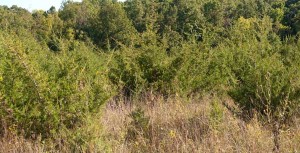
DSC_6046cdrI see it along gravel roads and interstates alike. Idle land becoming overgrown with cedar trees and goldenrod. Most certainly someone owns the land and it looks like a waste of good resources to me. I’m sure you can guess where I’m going with this entry. If asked, my advice to those landowners would be to plant some fence posts and rent to someone who needs a place for some dry cows to graze. Maybe scatter some grass seed, before they arrive, to be trampled into the ground and fertilized. Depending on the degree of overgrowth, the stocking time may be only as long as a few months, however given time and good management practices, grazing time will increase along with rent revenue. What can you do with the in-between grazing times? Maybe lease the land for hunting. Wildlife can benefit from the habitat disturbance and allow an opportunity for a more diverse wildlife population.
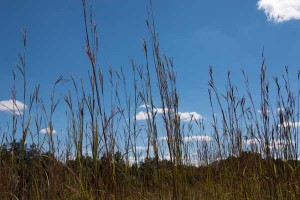
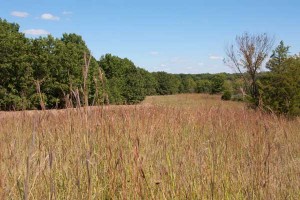
DSC_6049thstlAnother upside to putting idle land to use is the opportunity to be a good neighbor. Just two tenths of a mile down the road, from the overgrown lot I photographed, is open pasture being grazed. It won’t take long for the thistle from the neglected land to spread and become a nuisance if not managed.

How about increasing your property value as another incentive to put idle land to use? Land that can turn a profit is invariably more valuable that overgrown, unhealthy land.

Going back to being a good neighbor; how about allowing an up-and-coming cattleman the use of the land in exchange for some land maintenance. What a great opportunity to be a step up for someone just starting out and adding value to your land at the same time.

I believe being a landowner is a privilege and with privilege comes responsibility. To let such a privilege go to waste is just that – a waste.

…this heifer is no exception

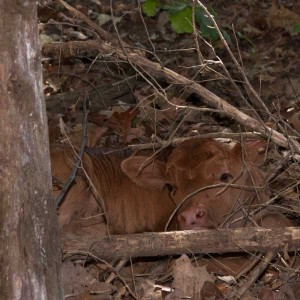
One of our purchased heifers calved today. Her herd is in a large area which we haven’t divided into lots yet. This is unfortunate because cows are excellent at placing their new calves where they are sure to not be found and this heifer is no exception. The grass in this particular lot is up to my waist so I’ll just have to wait her out and keep the scale at the ready.

Breeding season started August 28th and it is our hope that this heifer and another one, also due anytime, will quickly breed back and calve at the same time as the other girls in 2014.

… they did a delicious job

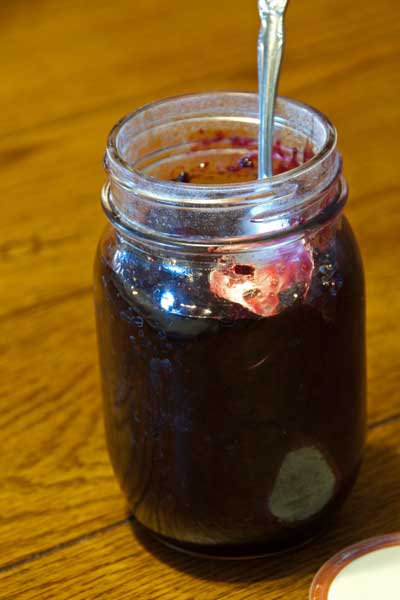
DSC_5558blogDon and Elizabeth put our granite canner to good use these past few weeks. The last part of July, they canned peaches and made peach butter and peach jam. The following two weeks, Don and Elizabeth made blackberry jam. I must say, they did a delicious job.

We live thirty miles from the nearest farmers market but only six miles from an Amish community which serves a similar purpose. For instance every Wednesday in July, one of the Amish businesses has peaches trucked in from south Missouri. People line up bright and early to purchase peaches by the box. A choice is given between the number one peaches which are uniform in size with pretty peals and the other option, number twos, which are of varied sizes and have a few blemishes. Number twos are by far the better buy, however there are those folks who can’t resist a peach peal with pretty eye appeal. In the Bryan kitchen though, we peel, slice, cook down, pack and can the peaches therefore we aren’t seduced by a pretty peal. My tip for peaches: If they aren’t fully ripe, put them in a paper sack and sit them on the counter. Also, because we buy in large quantities, I break down the boxes that the peaches come in, place the peaches in a single layer on the broken down box, then slide them under a table out of the way until they ripen according to need.

The blackberries came from our garden. Again, we don’t let looks fool us. Just because the berry has turned from green to red to black doesn’t mean its ready to be picked. I typically walk along the trellis gently pulling on the clusters. If the berries come off easily in my hand, they’re ready to be picked.

Three feet deep and dry

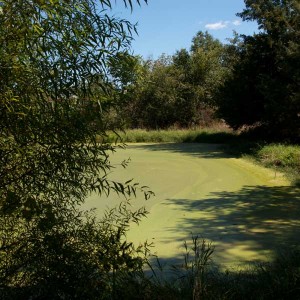
Last week, we dug post holes to install more infrastructure and each hole was three feet deep and dry all the way down. I feared another hot, dry summer here in Missouri and until these past few days, my fears were not unfounded. Spotty showers and temperatures in the 80s have brought a welcome reprieve and a boost to gardens, pastures and fields however, the water levels of ponds and lakes remain low.

WordPress theme: BryanRedAngus