Mowing and Stocking Rate

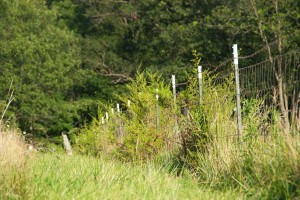
Don is mowing along fence rows and tree lines this summer. Our stocking DSC_0183blograte is too low for proper trampling. Sure, we won’t run out of grass, however with our infrastructure, it’s difficult to crowd the cattle to graze and trample near these areas. As a result, sprouts and briars have invaded. Right now, we have two, very small, groups of cattle running on roughly ninety acres. Very small meaning a total of twelve.
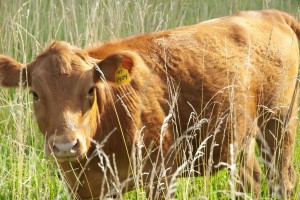
Speaking of stocking rate, increasing ours is a slow process. Our DSC_0169blogpreference is to run a closed herd and raise our own replacement heifers, however we’ve had very few heifer calves these past years though. Barring the price of cattle, it’s the type of cattle available for purchase that keeps us from purchasing from other Red Angus breeders. Our interest lies in small to medium frames, the ability of the animal to maintain itself on Missouri pasture and produce a calf each year. While browsing the classifieds, I only see “medium to large” frame as part of the description. The attached image is of the only heifer born in 2014; all other calves were bulls.
What’s your preferred frame size and why? Comment at redangus@sheribryan.com.
This, I can side with.

DSC_9530blogOn my February 4th entry, I commented on an article about genetically modifying bulls to create an endless supply of semen from “superior” sires. This same article also specifically reasoned that heat tolerant bulls could be modified to make them more fertile. Basically, young, healthy bulls would be sterilized then spermatogonial stem cells, from highly fertile bulls, would be transplanted in them. I ended my entry by asking if cattlemen were even asking for this service.
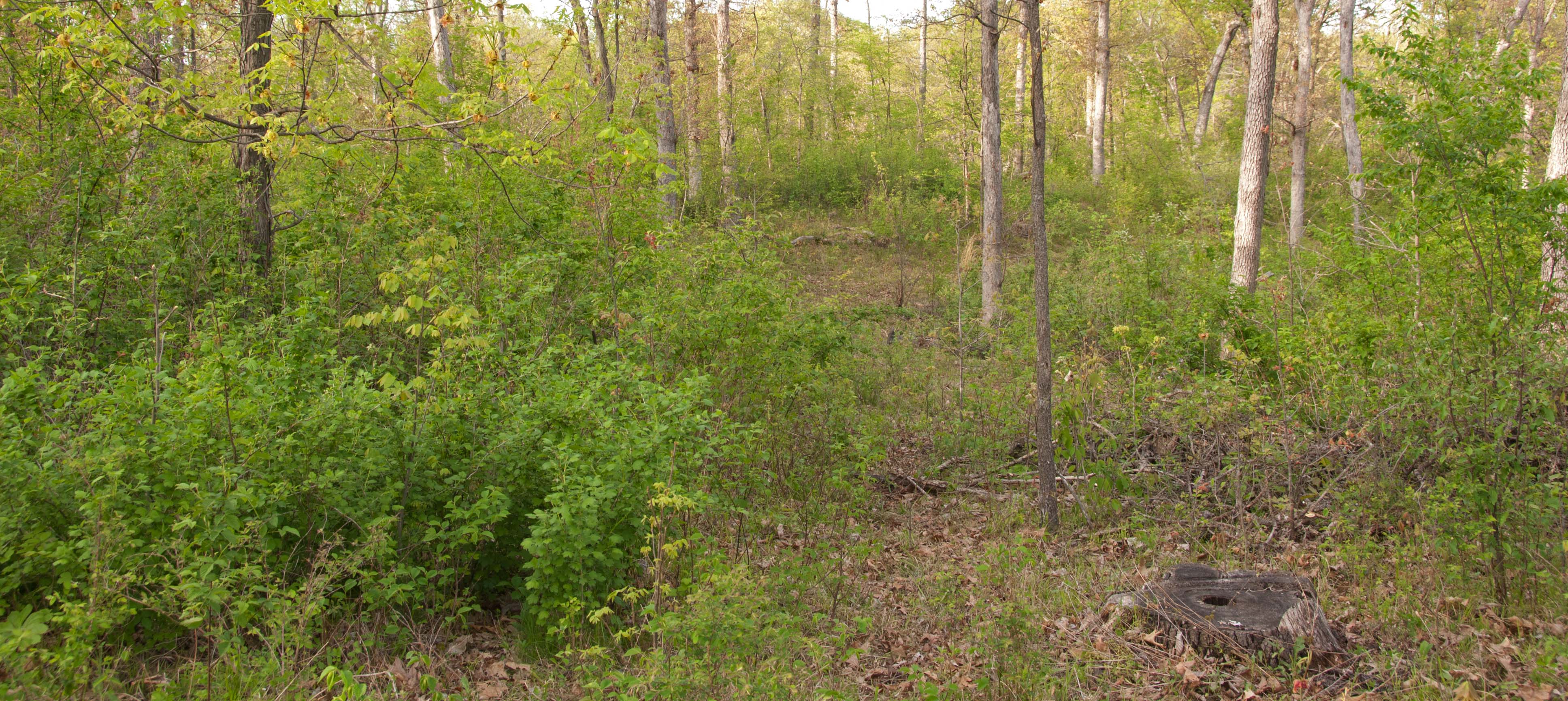
 

DSC_9532blog

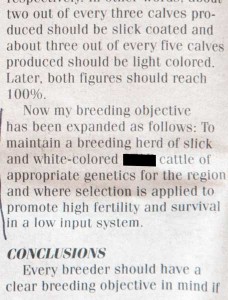
I don’t run in the same circles as laboratory cattlemen, so I don’t have an answer to my question. I did, however, read an article in a cattlemen’s publication that was quite the opposite stance. It seems that a Texas rancher has a breeding objective of “maintaining a breed herd…of appropriate genetics for the region”. He utilizes bulls that are “smaller in frame size and had EPDs for low birth weight and maintenance energy”. This rancher also says that “selection is applied to promote high fertility and survival in a low input system”.

This I can side with. I would rather invest my dollars and time in stock that can make the grade on their own, not in cattle that have to be modified to be productive. What are your thoughts? Comment at redangus@sheribryan.com.

Balance and Progress

DSC_9347blogWhat a jumble. Up until a few years ago, we hadn’t given much thought to our wooded areas. We harvest timber each winter for personal use, however that’s the only traffic these areas get. As a result, a mess of woody plants and briars have just about taken over. This provides wildlife habitat but I feel we need some balance and productivity to this part or our land.
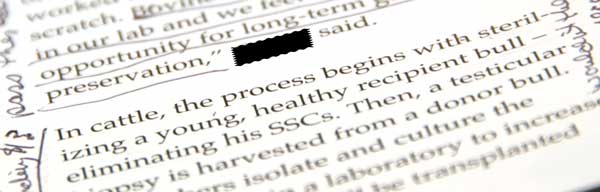
This past December I revamped the grazing plan to include the cattle grazing, but mostly trampling, these unruly areas. The idea is to utilize these wooded areas in the early spring before too many evasive species leaf out. Nine head of cattle went in on five acres on April 26th and came out on April 30th. By running cattle alone, this improvement project is going to take a while. Could we have pushed them to look harder for palatable forage and therefore trample more? Yes. The cows are heavy with calves though. It’s better to stretch out the project rather than risk the health of the mamma cows and the calves they carry. The take away here, keep moving forward no matter the pace.

Are cattlemen even asking for this?

stem_cell_blogI don’t know where to begin on expressing my thoughts about the article I just read. An animal scientist, here in the United State, is conducting stem cell research in an effort to make the supply of bull semen inexhaustible.
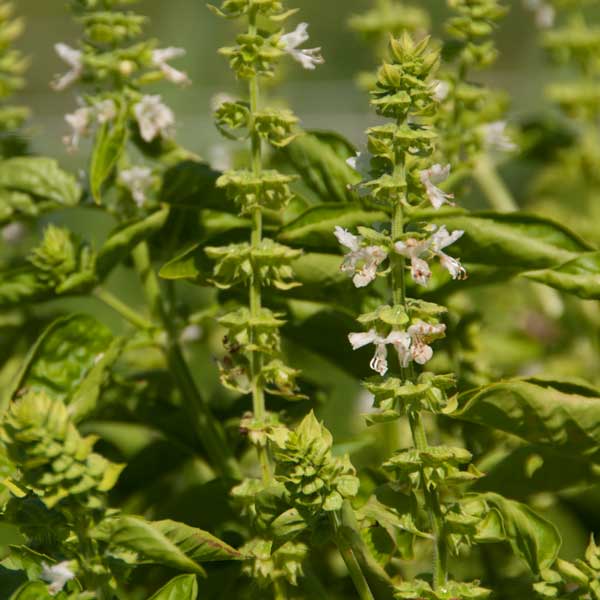
The basic idea is to serialize young, healthy bulls and transplant them with spermatogonial stem cells from a bull with exceptional traits. The article specifically noted the fertility trait. I don’t think single-trait selection is a good idea. Stepping past that though, what about sterilizing young bulls then transplanting different stem cells in them? What are the chances that the body will reject these raw materials from another animal? What if you go to the time and expense and the recipient animal goes lame?

My questions about this research are many more than I’m going to type out but a few more include: Would a producer, seed stock or commercial, want the same genetics for the entire duration of their business? If the bull is exceptional enough to consider this practice, wouldn’t he be exceptional enough to consistently pass on his traits to his offspring? And then they carry it on?

We are a very small operation in the central United States. Even if the resources were available to me, I wouldn’t partake in transplanting spermatogonial stem cells. The idea of using an “everlasting” semen supply from the same bull, “even after his death”, doesn’t seem very interesting or productive to me. I’d rather walk among our cattle, track their productivity on paper, pick what I like and keep moving forward. Single trait selection, as I mentioned earlier, doesn’t seem like a good idea. Obviously fertility is important, however a balance of several good traits makes for a better animal. I’d rather strive for bulls that have as many promising traits as possible – fertility, growth, health, conformation, disposition and masculinity.

The article concluded that there is “the potential to create genetically modified livestock for agricultural and human biomedical applications”. Hmmm. Again, I don’t know where to begin on expressing my thoughts. I’ll just end with one last question: Are cattlemen even asking for this?

Unspoken encouragement

Durning pregnancy checks last week, Dr. V. commented on the good body condition of the girls. He knows our stock is exclusively grass-fed, and his next comment was about the longevity of grass-fed operations compared to the longevity and profitability of high input grain-fed operations. Dr. V.’s compliment on the cattle was appreciated, however the unspoken encouragement was appreciated even more.

Oftentimes, Don and I find ourselves in the minority. Have you ever been there? You start talking cattle with some folks and they ask about your farm. “We practice rotational grazing and have grass-fed breeding stock”, you answer. At that point, you get the look. The one that says, “Oh, you’re one of them.” Some even follow up by saying, “That’s a lot of work.” That’s why Dr. V.’s casual comment was encouraging. He sees what we are doing and thinks we have a good thing going. He didn’t say that producers feeding grain to their cattle is bad, just more costly than our approach.

To gather with like-minded people and talk about raising cattle on grass or reading an industry-related publication dedicated to the grass farmer is business is usual. However, hearing positive words from a person, related to the industry but with no care other than the health of your animals, is encouragement that we’re doing the thing.

New in the garden

Don tried something new in the garden this year. He planted fifteen sets of the three sisters. This Native American agricultural concept includes growing corn, beans and squash in a close grouping. The corn provides a support for the bean vine to climb, the beans provide nitrogen to the soil for the companion plants to use and the squash plant spreads along the ground to shade out the weeds and to help the soil retain moisture. The concept is good, however employing it is easier said than done. Don carefully timed the staggering of the seed planting to allow the corn to establish before the bean plants needed the stalks for climbing. Germination days and timely moisture are also part of the planning process. All in all, for one of Don’s first attempts, I think the effort will pay off. As a side note, Don planted popcorn as opposed to sweet corn.

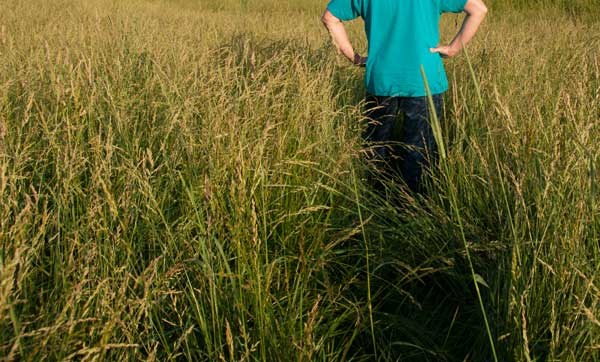
DSC_7381blgAlso new to the garden this year is that Don planted basil, cilantro and mint. He will use the basil and cilantro in tomato-based sauces and salsas. The mint will most likely be used for tea. As an added bonus, the white blooms of the basil plants are attracting humming birds.
Large frames and feeding grain.

Are you looking for a bull?” My mind thought “no” as my voice said, “Tell me about him.” I was killing some time at a purebred association’s sanctioned auction and ranchers were standing by to answer questions about their consignments. “How much does he weigh”, I asked. The response was between 1800 and 2000 pounds, however the rancher didn’t know for sure because the bull was too big for the scales. Don and I have owned a 2000 pound bull and this big boy before me, with a neck the size of an oak tree, had to exceed that. To the bull’s credit though, I was told that he was “as docile as can be”. That I did believe.

Across the alley and one pen down was another bull, much younger, though I didn’t note the exact age. I did note that the sign attached to the pen said “no creep”. As tall and skinny as he was, he could have used a snack. I wondered to myself if the seller thought this young bull could be raised on grass alone or if he was selling with the anticipation that the bull would receive supplementation.

Speaking of frames, large and tall was the theme for the cows being offered. I stand about 5 feet 7 inches and some of those girls’ hip heights were at my shoulder. That would be a frame score of around 8. Many of these cows were filled out with calves by side. How were they maintaining their body scores? Grain. The ranchers were freely talking about the grain being fed on their farms. At what cost I wondered. No doubt several of them raised their own grain but there is still cost associated with that.

Don and I started out with large-framed cows. Their EPDs looked good and we felt comfortable with the seller. We soon found out though that large frames and low input, grass fed operations aren’t very profitable. On grass alone, the cows would not always breed back timely and on two occasions, needed birthing assistance. We are working toward cattle with smaller frame sizes with no regrets. Our bulls aren’t too big and heavy for heifers. The cows breed back, with a calf by side, and have good body condition.

Feeding grain might be profitable for others; I don’t see their ledger pages. I do know that feeding grain costs money whether harvesting or purchasing. As far as cow size goes, I’m not interested in spending time monitoring cows for birthing assistance. Large dams and sires produce large progeny. As a side note, at least one animal was pooping “money”. I cleaned my boots before climbing into my vehicle and saw that whole corn kernels were stuck to the bottom along with the manure.

Grass to spare.

The spring equinox has come and gone and the cattle still have grass before them. This will be the first season that we have grazed through the winter with grass to spare. A long-time goal has been achieved and the amount of grass to spare may very well be an indicator that we should retain some heifers.

WordPress theme: BryanRedAngus