Calving Season

Our calving season is mid-May through mid-July. We like this time frame because pasture rotation has already started which means that the calves are born on clean, fresh pasture. Clean pastures allow umbilical cords and dam’s udders to be clean, which lowers the chance of infectious pathogens taking hold. The cows can still be moved daily as the newborns can easily slip under the poly wire.

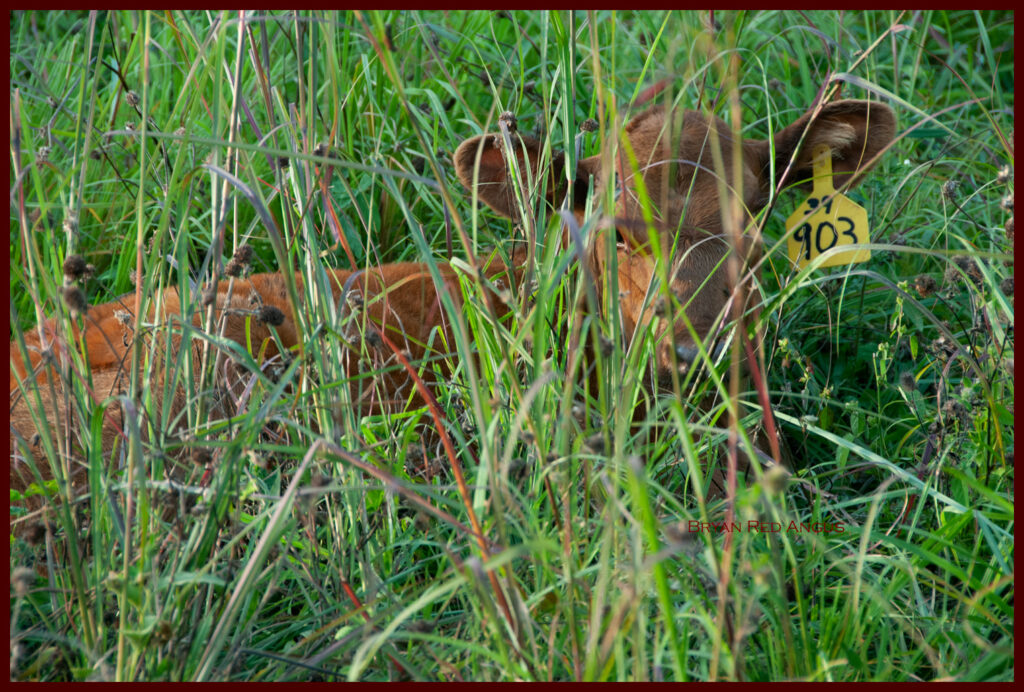
The drawback of pasture… Mamma cow is an expert at hiding her calf in tall grass or the calf easily slips under the poly wire and lays quietly, just a few feet away. I never know which direction to start walking to find it. I just trust that the dam is taking care of her baby. We do monitor udder size which is one indicator that the calf is nursing. Within a week of being born, the calf will join the herd on a more regular basis.
In the garden – Asparagus

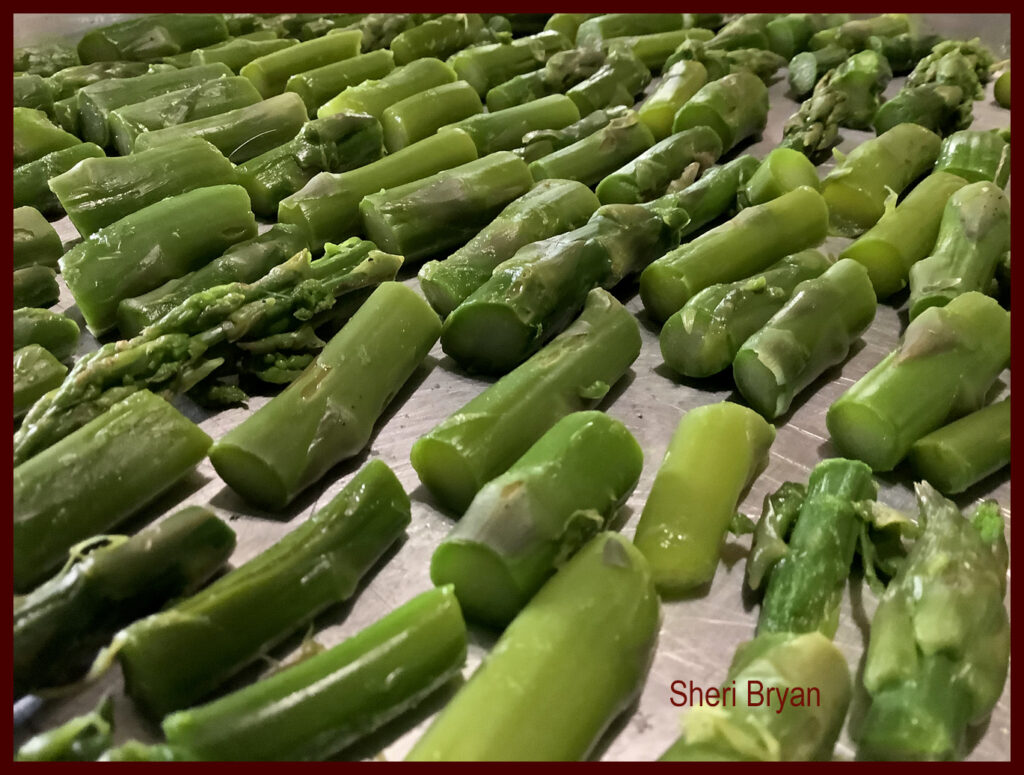
The asparagus has been growing very well since early April. Usually, we eat it raw or cook it with a little homemade butter. This year, however, we have decided to freeze some of the asparagus spears for later use in stir fry. The process is simple – cut into one-inch pieces, layout on a baking sheet, freeze solid then store in a freezer container.

All for $20

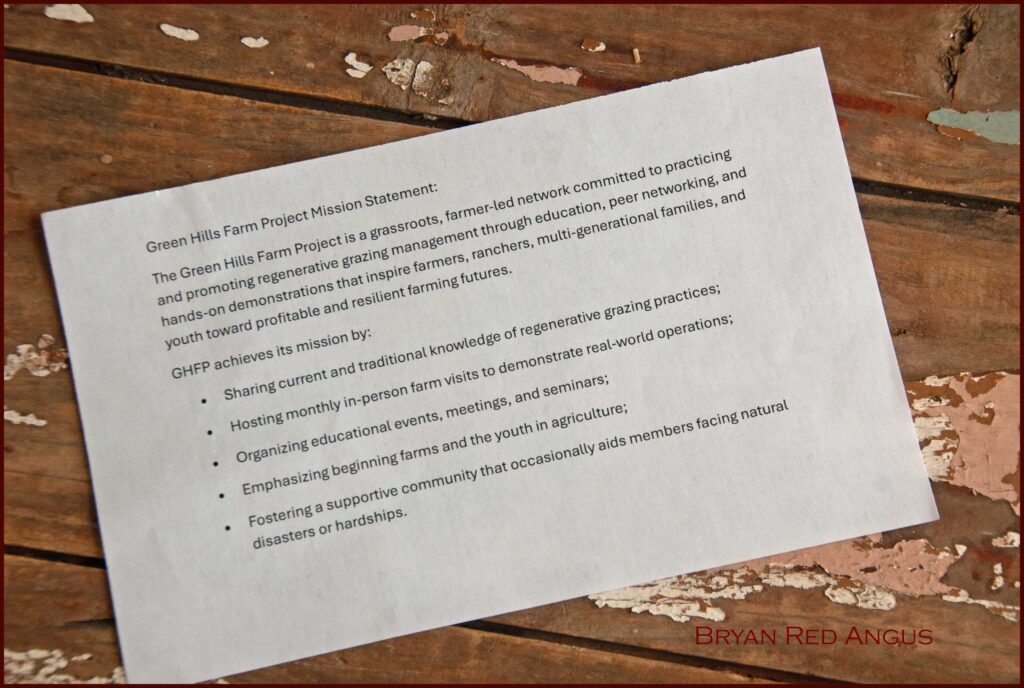
Do I know it all? No. Have I tried it all? No. Do I know what ideas work and what ideas don’t? Sometimes. The aforementioned is just one of the reasons that Don and I are members of the Green Hills Farm Project located right here in Missouri. The knowledgeable farmers and ranchers who make up this group openly and willingly share their knowledge and experience. Through monthly farm walks, these folks show and share what they do and explain why they do it. They know some things, have tried some things and have ideas.

I’m a firm believer in being a good steward of all things in my care, which include land and animals. The Green Hills Farm Project members, and what they strive to accomplish, are not only informative but inspiring as well. The group’s mission adds to my motivation to raise healthy livestock and to use that livestock to improve and sustain our land, making it healthy as well. All for a $20 membership investment.

Mask for wintertime

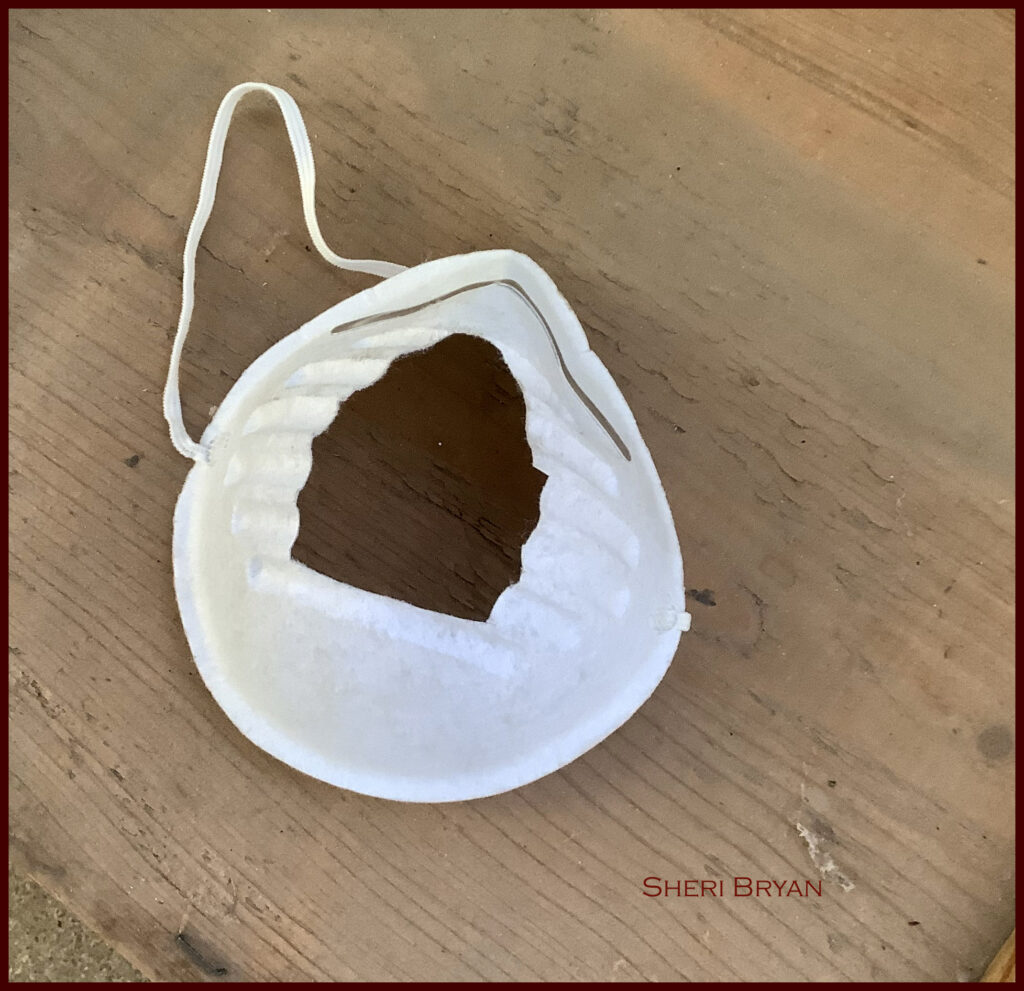
Years ago, low freezing temperatures and stinging wind chills prompted me to seek facial protection that wouldn’t fog up my glasses with each breath. Pictured here is one of my wintertime hacks. And it’s cheap and easy. This dust mask still covers my nose, cheeks and chin while allowing my warm breath to escape forward instead of up toward my glasses. I use the same mask, several days, all season so a five-pack costing $7.50 is a bargain, and I purchased them from our small-town hardware store. No trips to the big boxes if I don’t have to. A tip… When cutting out the opening, start small then cut larger if needed. The more your face is covered, the better protection.

Appreciating the local folks

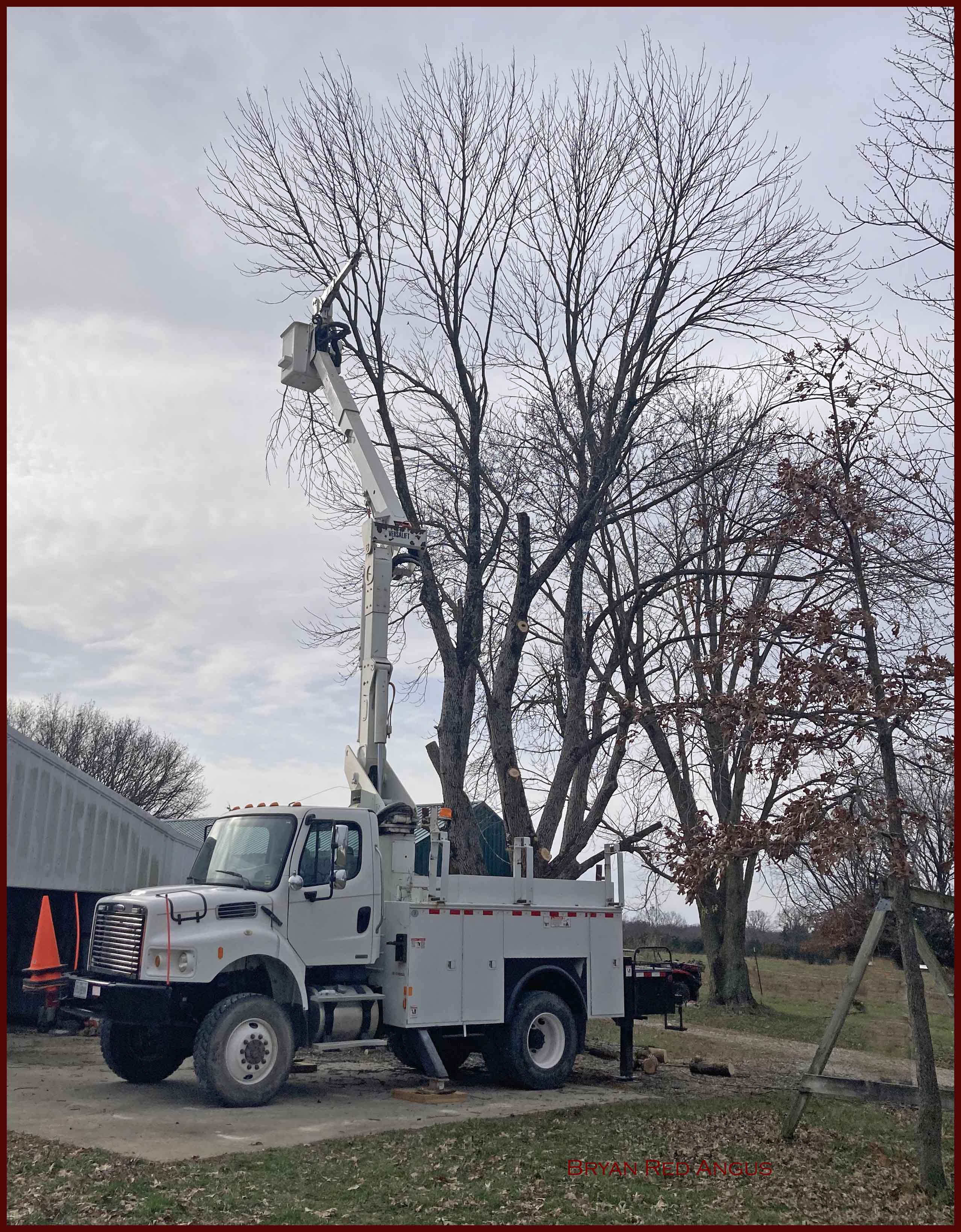
Robert Thompson arrived right on time at 8:00 am. The 22-degree temperature did not deter him from taking down our dying ash tree which we hired him to do. Normally we would handle such a job on our own, however, this tree was too close to some out buildings to risk it. One man with a chainsaw and a bucket truck, Robert dismantled the tree into manageable pieces which we later cut, split and stacked for heating our home. The brush was hauled to the pasture for use in some erosion control projects. We appreciate local folks with the willingness, skills and equipment to perform jobs that we are unable to do ourselves. Thanks, Robert.

Deer season memories

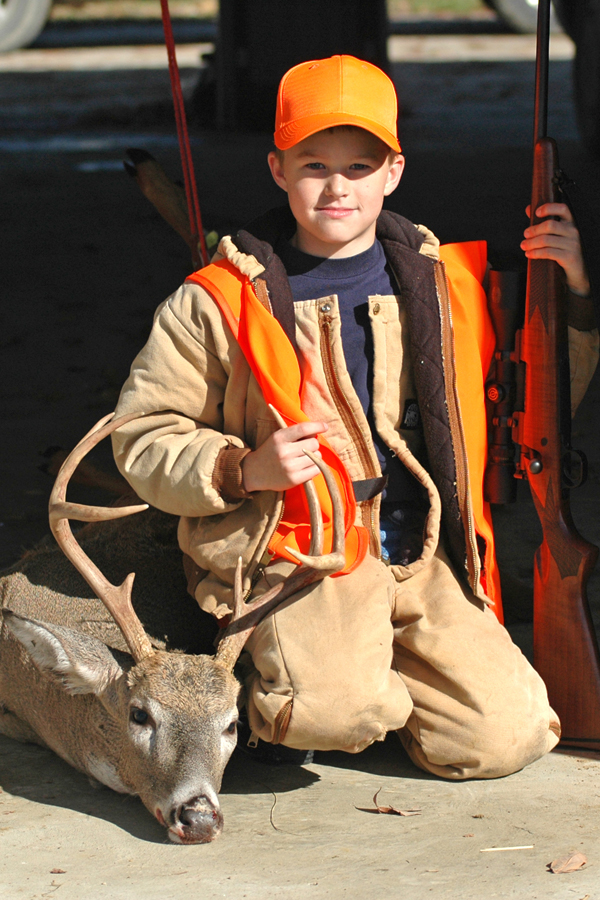
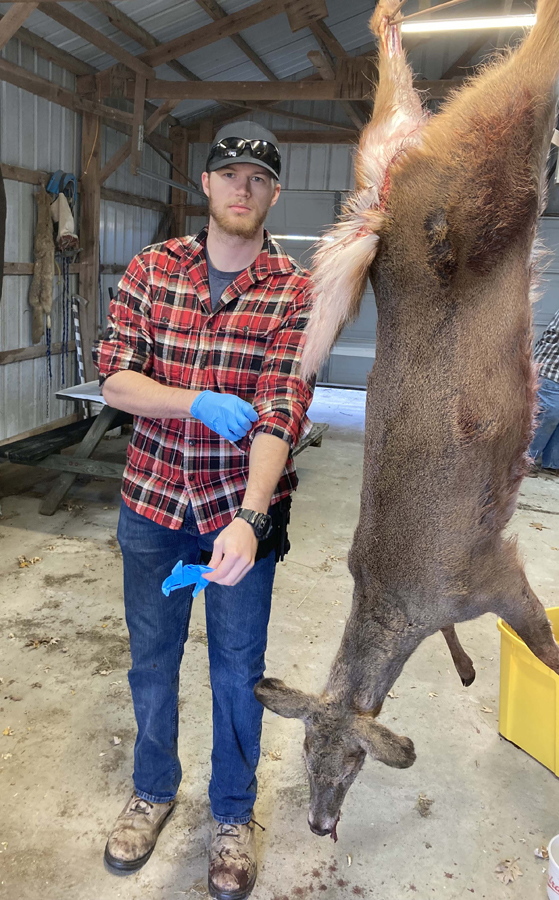
Deer season has come and gone; however, the memories it brings back remain. Thirty-four years ago, Don harvested his first deer from our property and has continued to fill his tag(s) year after year. Truth be told, when we purchased the land in 1991, Don harvested the majority of our meat, from our land, as the different hunting seasons passed. We were just starting out, had lots of home and property repairs to do and little income to accomplish them. But we did it, all on our own. This is an important strategy to pass on to future generations. Pictured here is our son. His first deer and this year’s harvest. Memories……

(C) Sheri Bryan

Handling Cattle

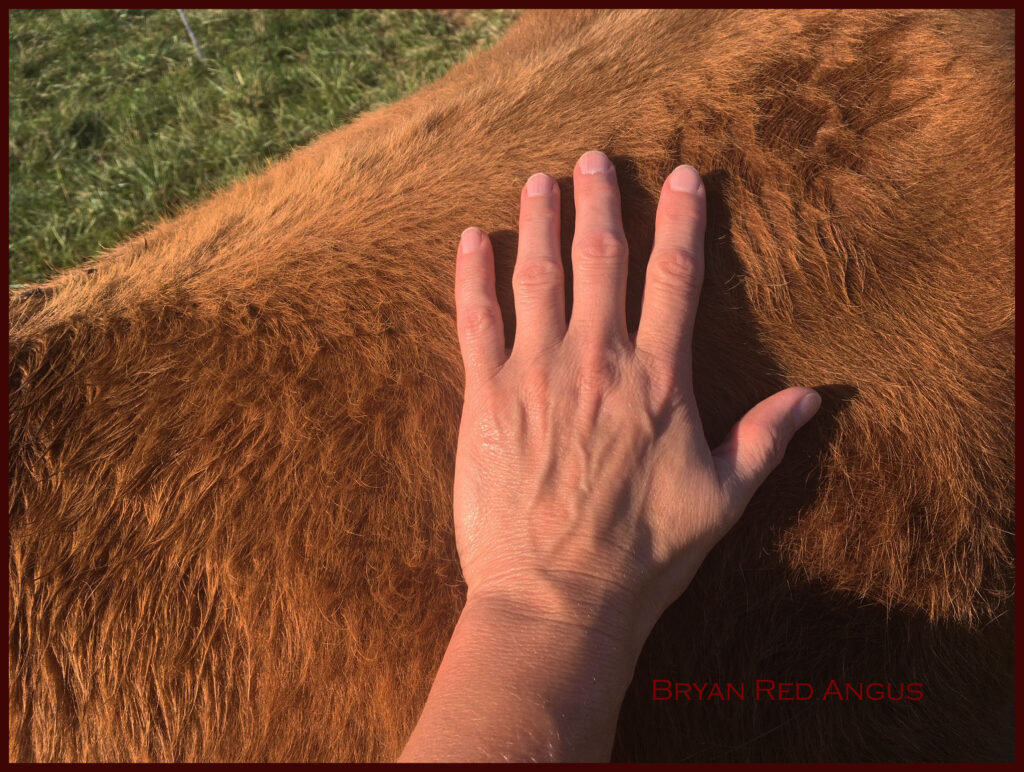
Hard to handle cattle make for extra work and time. One of our important management practices is to have calm, easy-to-work cattle. We interact with them every day as we rotate them to a new lot, water them or just walk out and take a head count. It’s okay if the cow doesn’t want to be touched, it’s not okay if I can’t get within a few feet of her without spooking her. Also, new calves learn from their dams. If mamma cow doesn’t trust us, those growing calves won’t either.

Years ago, Don and I implemented a routine for moving the herd(s). We lead the cattle instead of drive them, so they know where to go. I clap my hands in a certain rhythm, tell them they are pretty girls and start walking in the direction that we want them to go. Don follows and puts pressure on any stragglers so that the herd stays together. We can now lead them short distances, across open pasture, without them wandering off to graze. Consistency has been the key to making this work.

Handling cattle in tight spaces, every cattleman has their own system. I am a big fan of slow, calm pressure in cattle’s flight zone. My position in the zone indicates the direction that I want them to go and eventually, the cow, calf or bull moves away. I back off when the animal follows through. Again, calves follow mamma cow’s lead, and we use this consistently as well.

Breeding Calendar

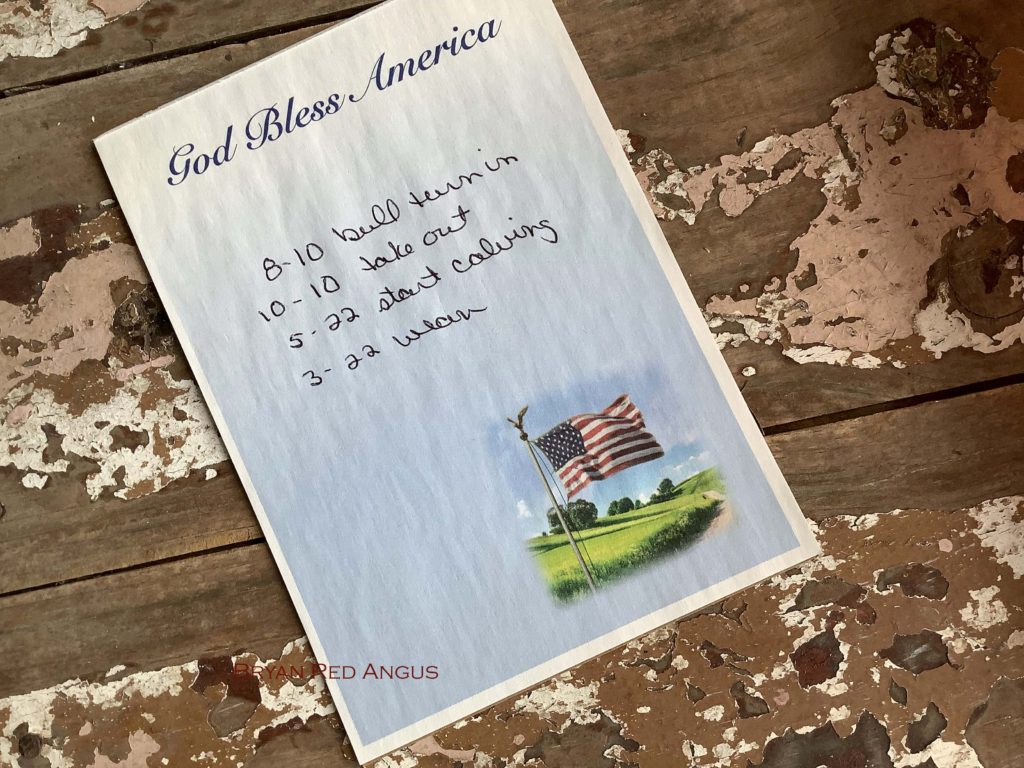
The bull has been turned in which designates the beginning of our ongoing breeding, calving and weaning cycle. Here is the simple breakdown. The herd bull is turned in with the breeding-age females on August 10th of the current calendar year. The bull is then pulled out on October 10th. Calving begins on or near May 22nd of the following year. Those calves are then weaned on March 22nd of the next year. This cycle is a good way for us to track which females are getting bred in a timely manner and allows for calves to be of a consistent age and size.

Bark, shovel and a wheelbarrow

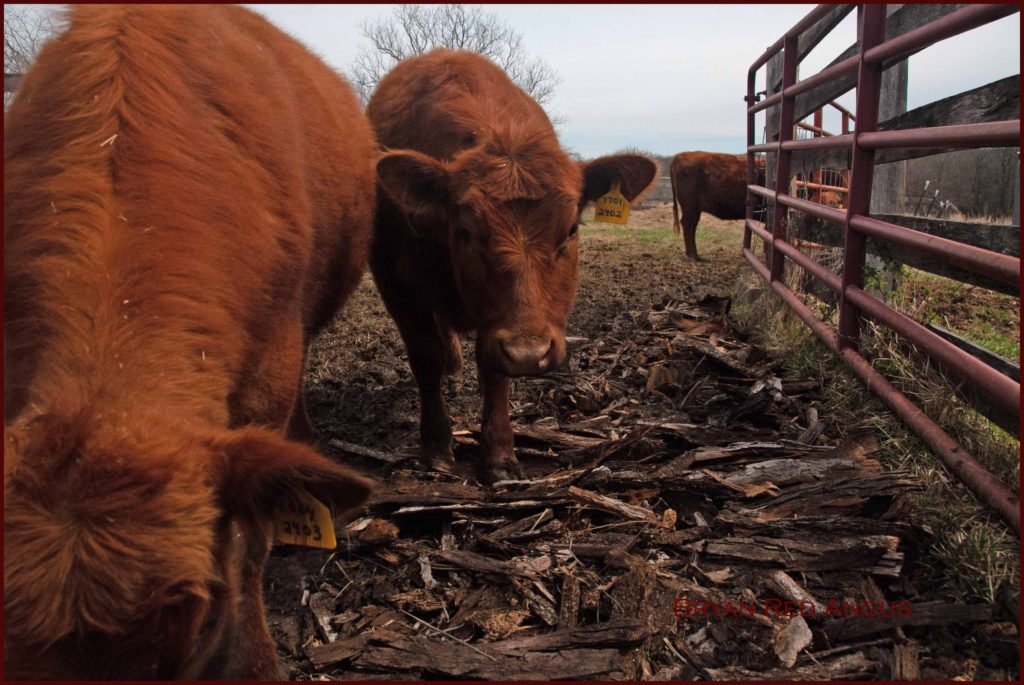
We wean our calves over-the-fence from their moms. It reduces what little stress they have but can increase mucked up ground around the stock waterer – which is what happened this year during some extra wet weather. The waterer is a common place where and momma cows and their calves meet up during the day. Not having any wood chips or gravel available to put down, I opted to scoop bark from one of the wood hauling trailers. I then used our wheelbarrow to transport the bark to the waterer, dump, spread and repeat.

This is a choice I make by making do with what I have. I could have taken the truck to town and bought wood chips. I could have hooked up to the wood trailer, parked it by the waterer, unloaded then reparked both the truck and trailer. These options would have used time, gas and money. Yes, pushing the wheelbarrow back and forth from the trailer to the waterer took time, but I like my goal of making do with the resources I have, plus I get some good exercise. Country life – no gym membership required.

I also scattered dead asparagus plants, from last year’s garden, in part of the area. The calves saw this as a psychological barrier, which in turn encouraged them to avoid loafing in the mucked-up area. Again, making do with a resource I have on hand.

WordPress theme: BryanRedAngus